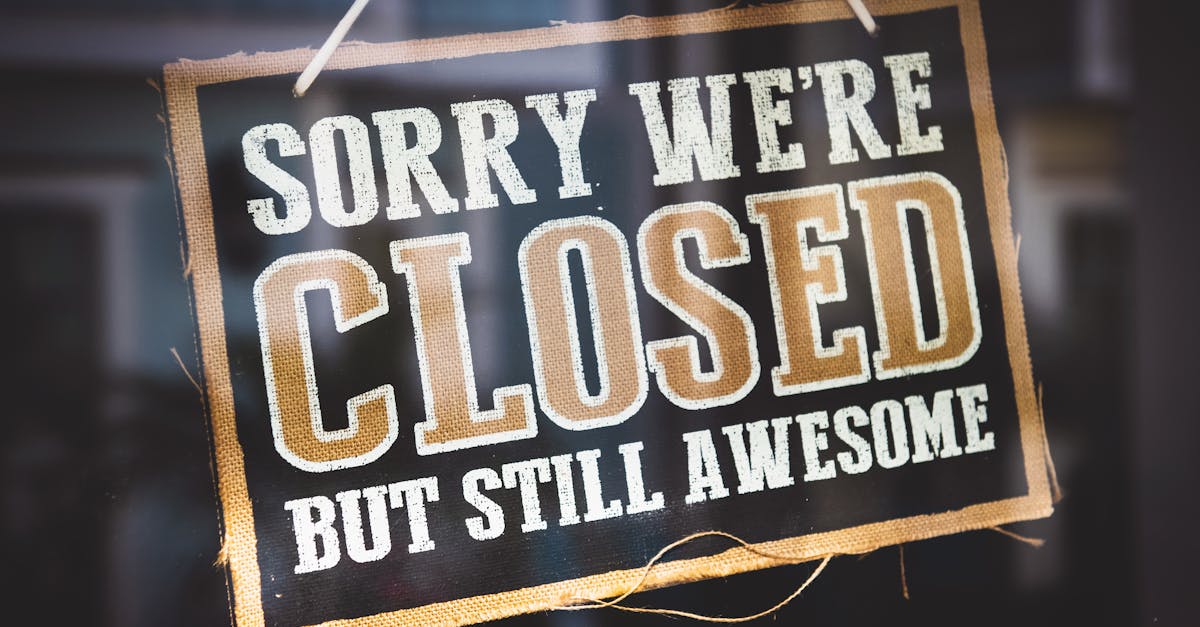
Customisation Trends: Tailoring Signs to Individual Brand Identities
Table Of Contents
Case Studies of Successful Custom Signage
Several brands have successfully embraced customised signage to enhance their visibility and align closely with their unique identities. A notable example is a boutique coffee shop that transformed its storefront with a hand-painted sign reflecting its artisanal ethos. This visual representation not only captured the attention of passersby but also conveyed a genuine appeal associated with local craftsmanship. As a result, the shop experienced a significant increase in foot traffic and brand loyalty within the community.
Another case involves a tech company that integrated sleek, modern signage into its corporate headquarters. The clean lines and innovative materials used for the signs mirrored the brand’s focus on cutting-edge technology and forward-thinking solutions. This approach not only aided in establishing a contemporary aesthetic but also communicated the company’s mission to both clients and employees. The vibrant colours and interactive elements within the signage further encouraged engagement, reimagining the typical corporate environment into a dynamic space that stimulates creativity.
Brands That Have Mastered Personalised Signage
Several iconic brands have successfully harnessed the power of personalised signage, each adding a unique touch that resonates with their audience. For instance, Nike employs custom signs in their flagship stores, allowing for localised messaging that reflects the interests and culture of their communities. This strategy not only showcases their commitment to individual consumer experiences but also strengthens community ties.
Coca-Cola redefined personalisation with its "Share a Coke" campaign, featuring customer names on bottles. This innovative signage approach created a personal connection between consumers and the brand, encouraging social sharing. The campaign's success demonstrated how customised signage can amplify brand engagement and foster emotional connections, making it a pivotal reference point for businesses aiming to adopt a tailored approach.
The Impact of Customised Signs on Customer Engagement
Effective signage plays a crucial role in capturing customer attention and fostering engagement. Customised signs that reflect a brand's unique identity resonate more with consumers, creating a sense of connection and loyalty. When signs incorporate elements such as local cultural references, bold colours, and personalised messaging, they enhance the overall customer experience. This tailored approach not only attracts foot traffic but encourages potential customers to interact with the brand on a deeper level, fostering memorable encounters.
Customer engagement thrives when brands invest in unique signage that speaks to their audience. Studies show that visually striking and relevant signs significantly increase the likelihood of customers entering a store or engaging with a service. Customised signage transforms passive observers into active participants in the brand narrative. By aligning visual identity with customer values and preferences, businesses can amplify their message and strengthen relationships. This synergy between customised design and customer interaction leads to a more immersive experience that leaves a lasting impression.
Creating Memorable Experiences Through Tailored Designs
Tailored designs play a crucial role in differentiating brands in a saturated market. By creating signage that resonates with the unique values and personality of a brand, companies can evoke emotional responses from their customers. Elements such as colour schemes, typography, and materials work together to craft an identity that is not easily forgotten. When customers encounter signs that speak directly to their experiences or preferences, they are more likely to engage with the brand on a deeper level.
Memorable signage goes beyond mere aesthetics; it actively enhances the customer experience. Whether through interactive elements or striking visuals, customised signs can tell a story that captivates an audience. Such experiences encourage interaction and foster a sense of community. Brands that successfully implement these tailored designs often see increased foot traffic and customer loyalty, highlighting the importance of thoughtful customisation in strengthening brand connections.
Challenges in Customising Signage
Customising signage presents a range of challenges that brands must navigate effectively. One significant hurdle lies in ensuring that designs align with core brand identities while also appealing to target audiences. Balancing uniqueness and recognisability can lead to tension between creativity and practicality. Additionally, adapting to evolving market trends can make the process even more complex, as brands need to stay relevant amidst shifting consumer preferences.
The production aspect also introduces obstacles that can impact timelines and budgets. Customised signage often requires specialised materials and techniques, which may not be readily available. This increases the risk of delays and unforeseen costs. Furthermore, maintaining consistency across various platforms and locations adds another layer of difficulty. Brands strive for a cohesive image, yet customisation can sometimes lead to discrepancies that undermine overall brand integrity.
Balancing Brand Identity with Market Trends
Navigating the intersection of brand identity and market trends presents a unique challenge for businesses. Adapting to current design aesthetics while remaining true to the core values of the brand requires a careful approach. Many companies invest considerable time in research to identify shifting consumer preferences. This insight helps ensure that their signage resonates with potential customers while maintaining authenticity.
Flexibility plays a crucial role in this balance. Brands often find success by incorporating trendy design elements into their core visual identity. Well-executed changes, such as updated colour schemes or modern typography, can refresh brand perceptions without alienating existing customers. By staying attuned to the evolving market landscape, brands can craft signage that not only attracts attention but also enriches the overall brand narrative.
FAQS
What is the importance of custom signage for brands?
Custom signage is essential for brands as it helps create a unique identity, enhances visibility, and fosters customer engagement by reflecting the brand's personality and values.
How can personalised signage improve customer experience?
Personalised signage can improve customer experience by creating memorable interactions, guiding customers effectively within a space, and making them feel more connected to the brand.
What are some examples of brands with successful custom signage?
Brands like Coca-Cola, Starbucks, and Nike have successfully implemented custom signage to reflect their unique brand identities and enhance customer experiences in their locations.
What challenges do businesses face when customising signage?
Businesses may face challenges such as balancing brand identity with market trends, ensuring consistent messaging, and dealing with budget constraints while trying to create impactful signage.
How can businesses ensure their custom signs resonate with their target audience?
Businesses can ensure their custom signs resonate with their target audience by conducting market research, understanding customer preferences, and incorporating feedback into their design process.
Related Links
The Role of Personalisation in Modern Signage SolutionsInnovative Uses of Augmented Reality in Signage
Colour Trends for 2023: Enhancing Visibility and Appeal
The Shift Towards Digital Signage Displays in Wollongong
Incorporating Cultural Elements in Business Signage
The Rise of Minimalist Signage Designs for Local Businesses
Interactive Elements in Signage: Engaging Customers in 2023
Emerging Design Techniques for Business Signs in Wollongong
Sustainable Materials for Eco-Friendly Signage Solutions